



Axone With Unique Collection Of 1000+ Products

My Cart

    Your Axone Cart Is Empty

STATIONERY

We are a leading supplier of high-quality products. Our products are designed to meet your needs with superior quality and competitive pricing.

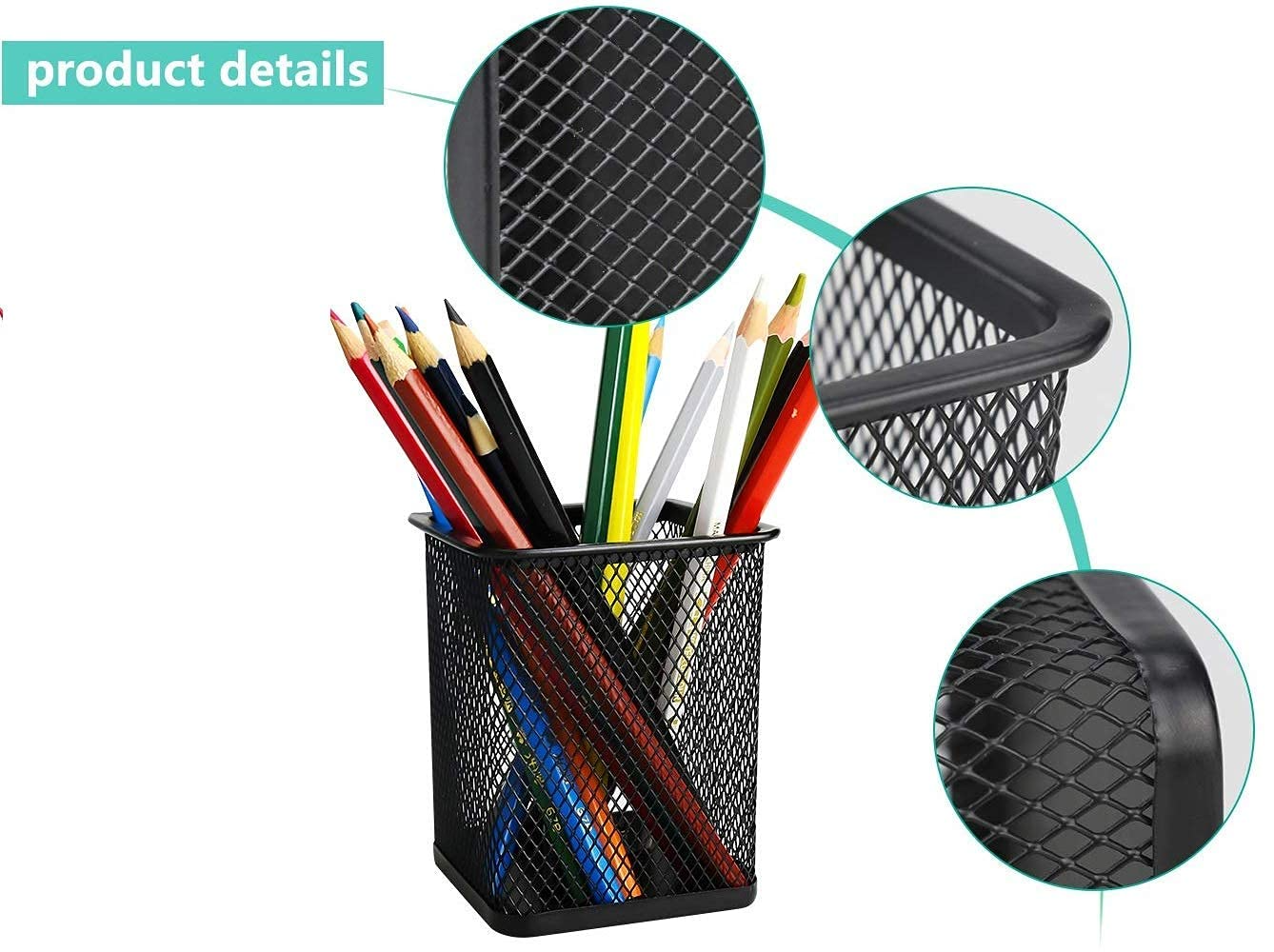
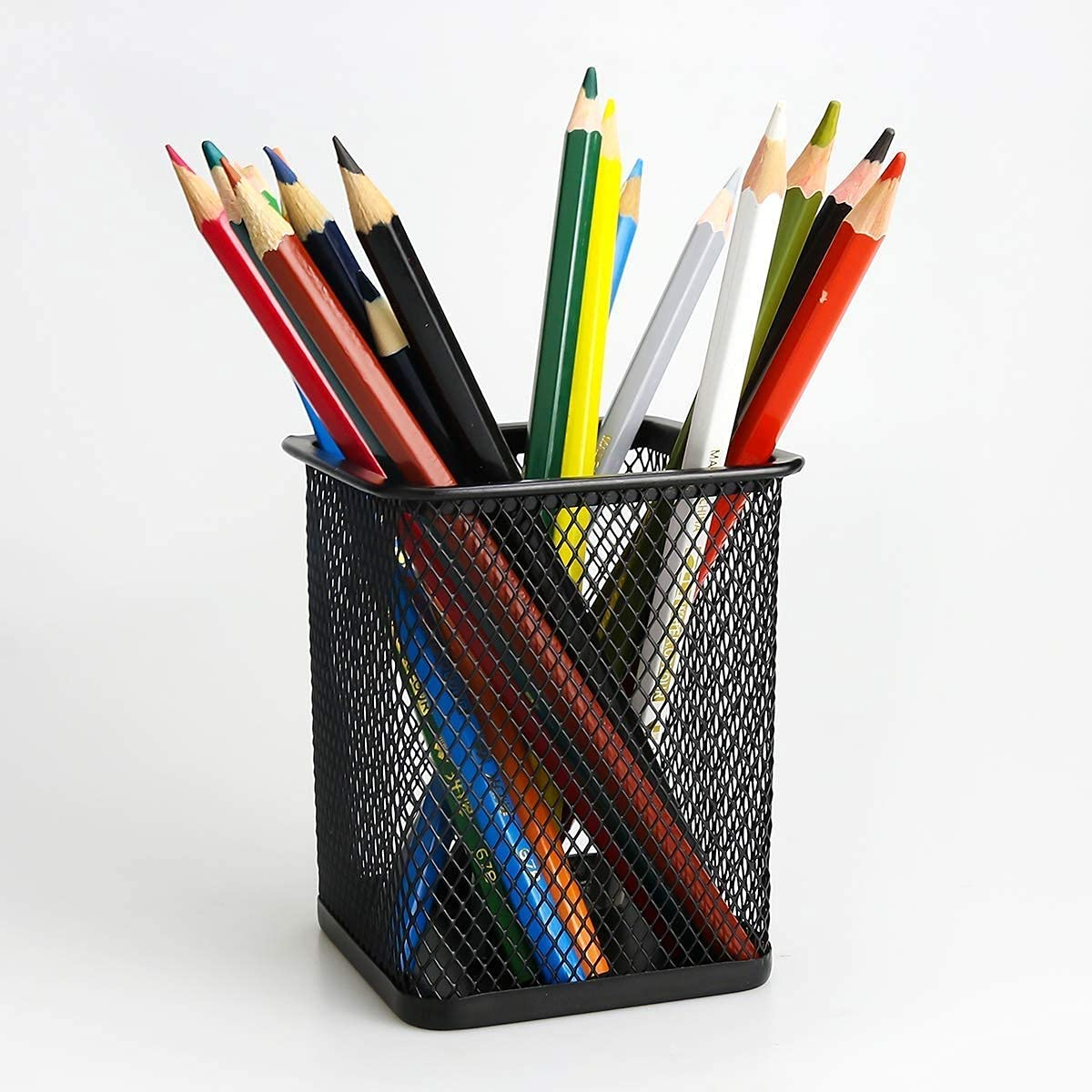
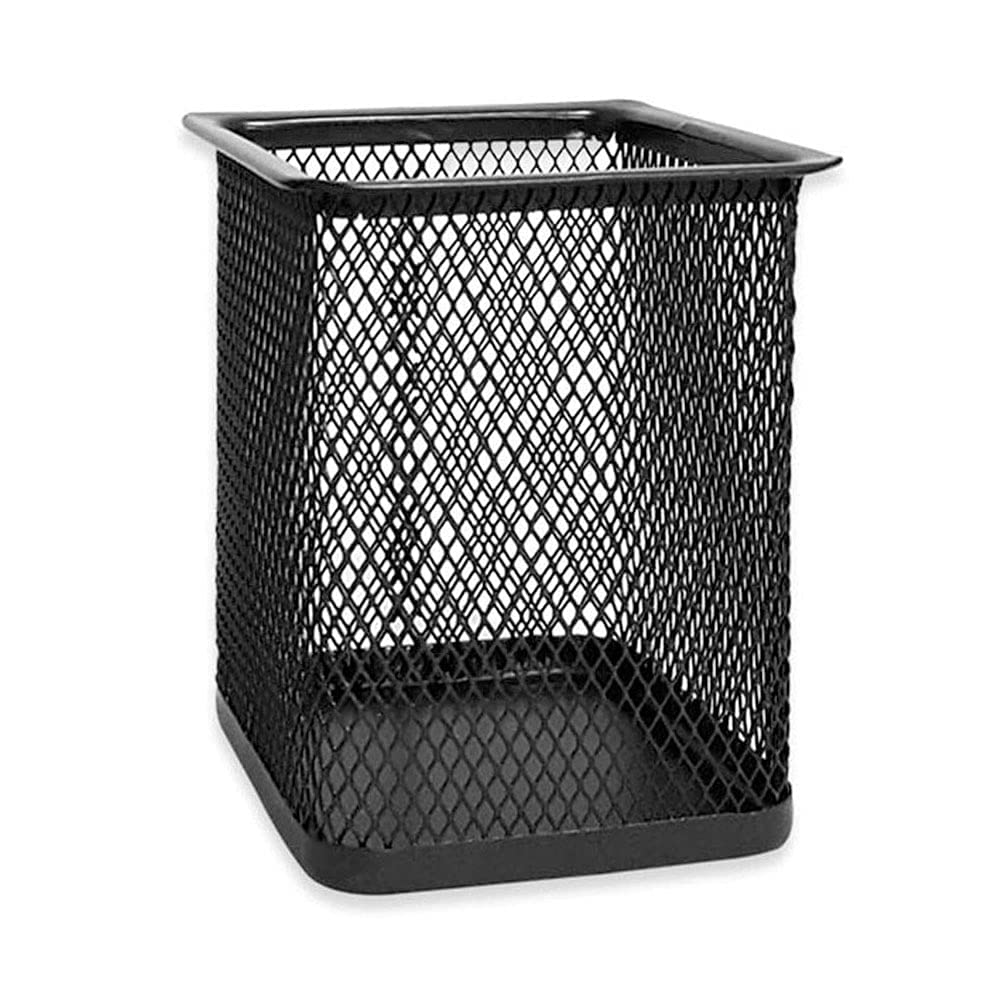
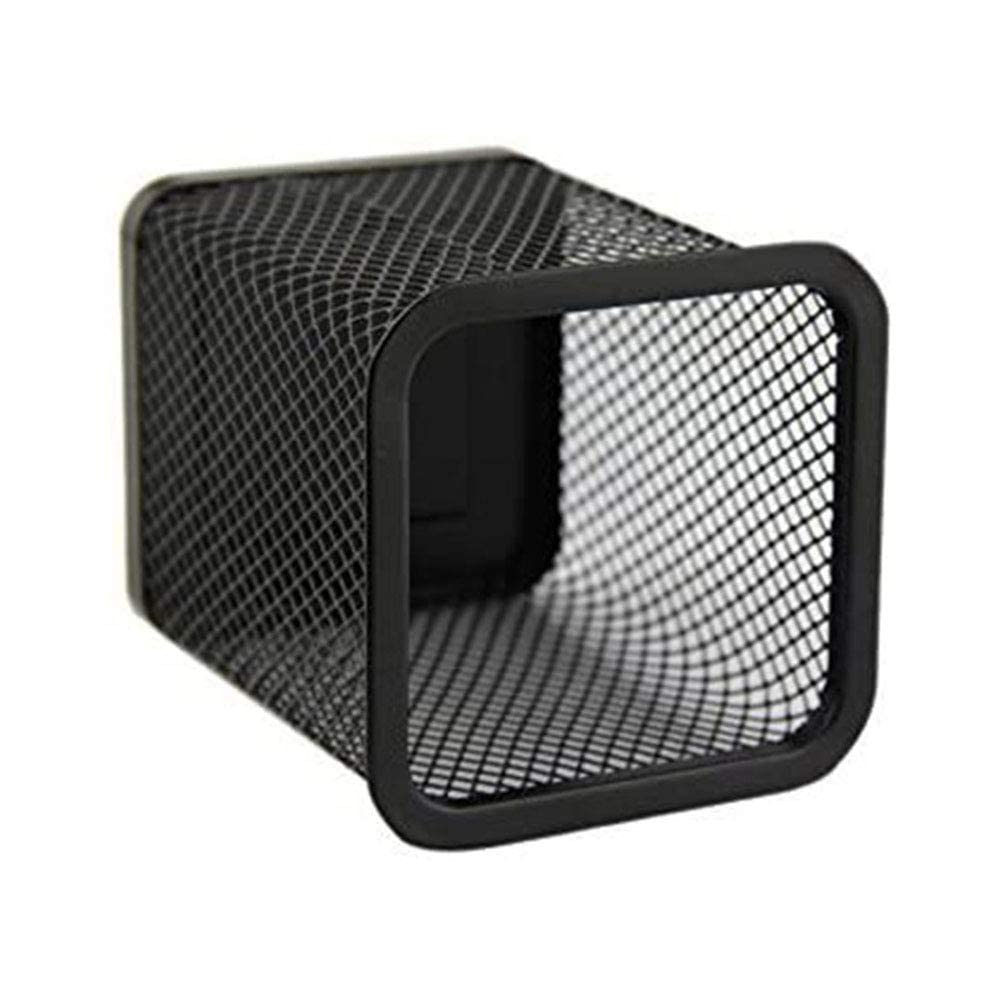
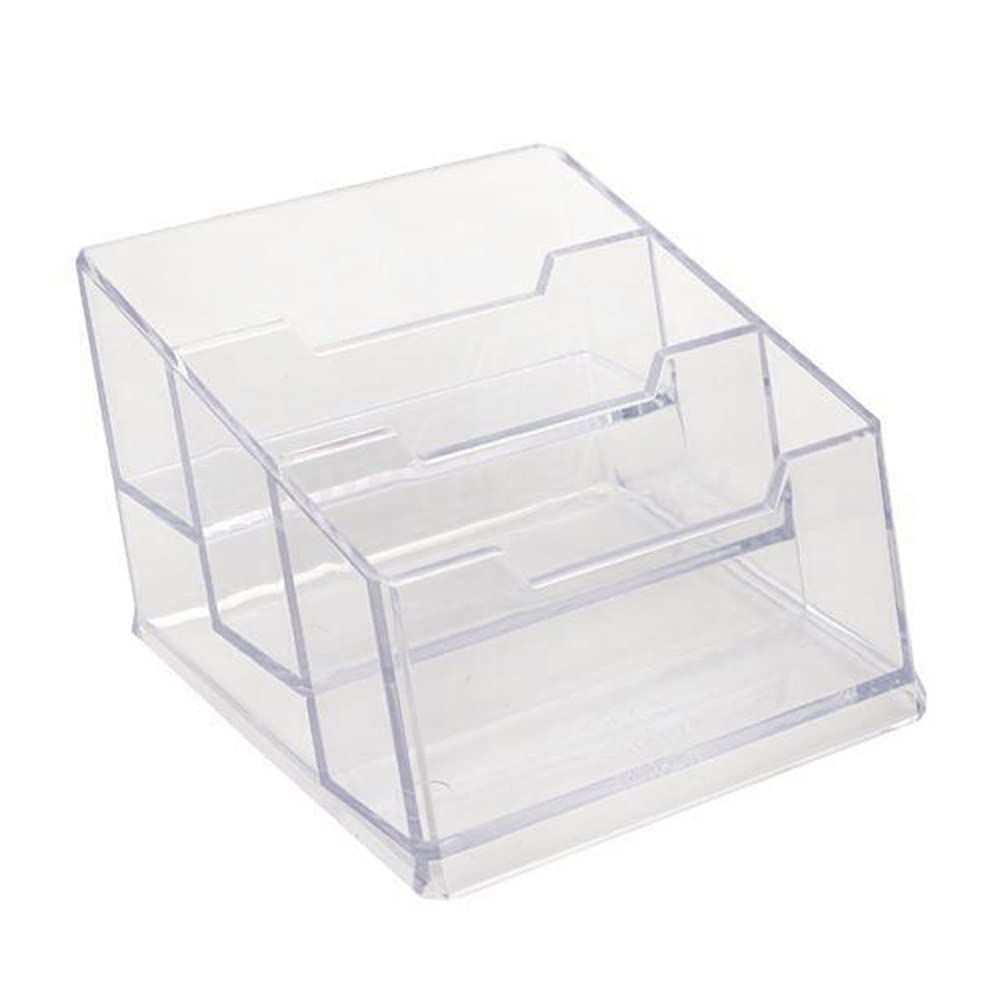
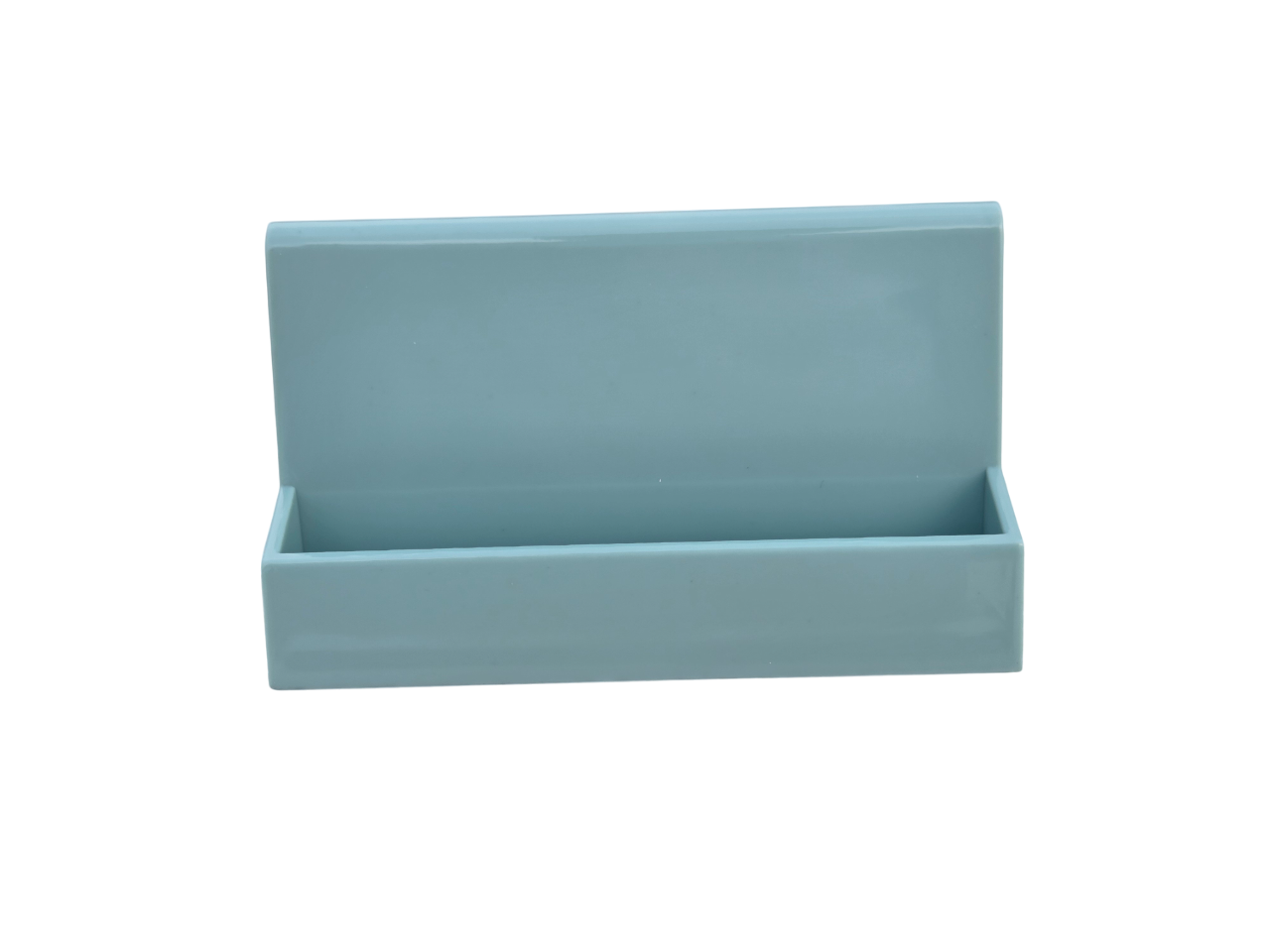
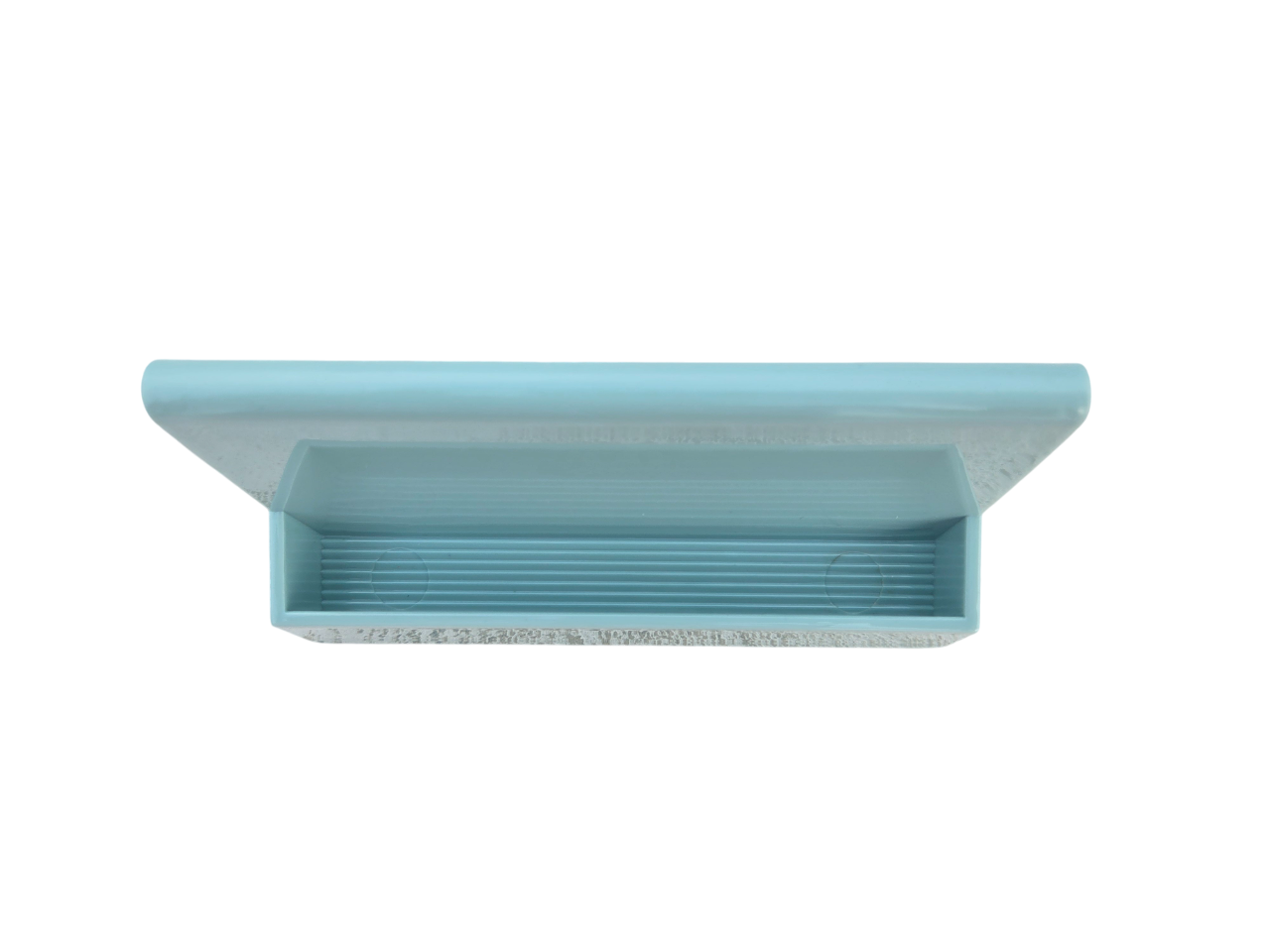
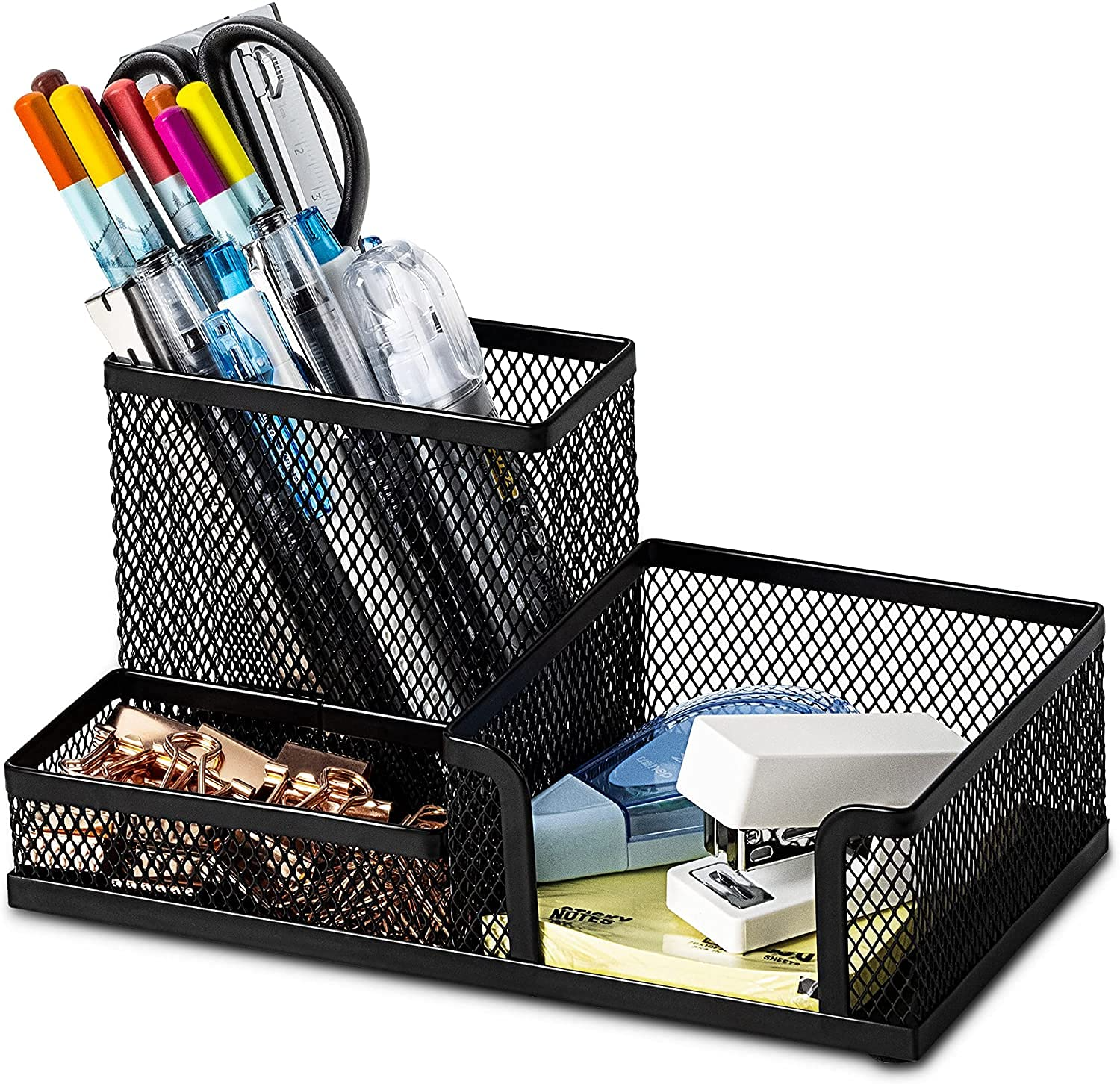
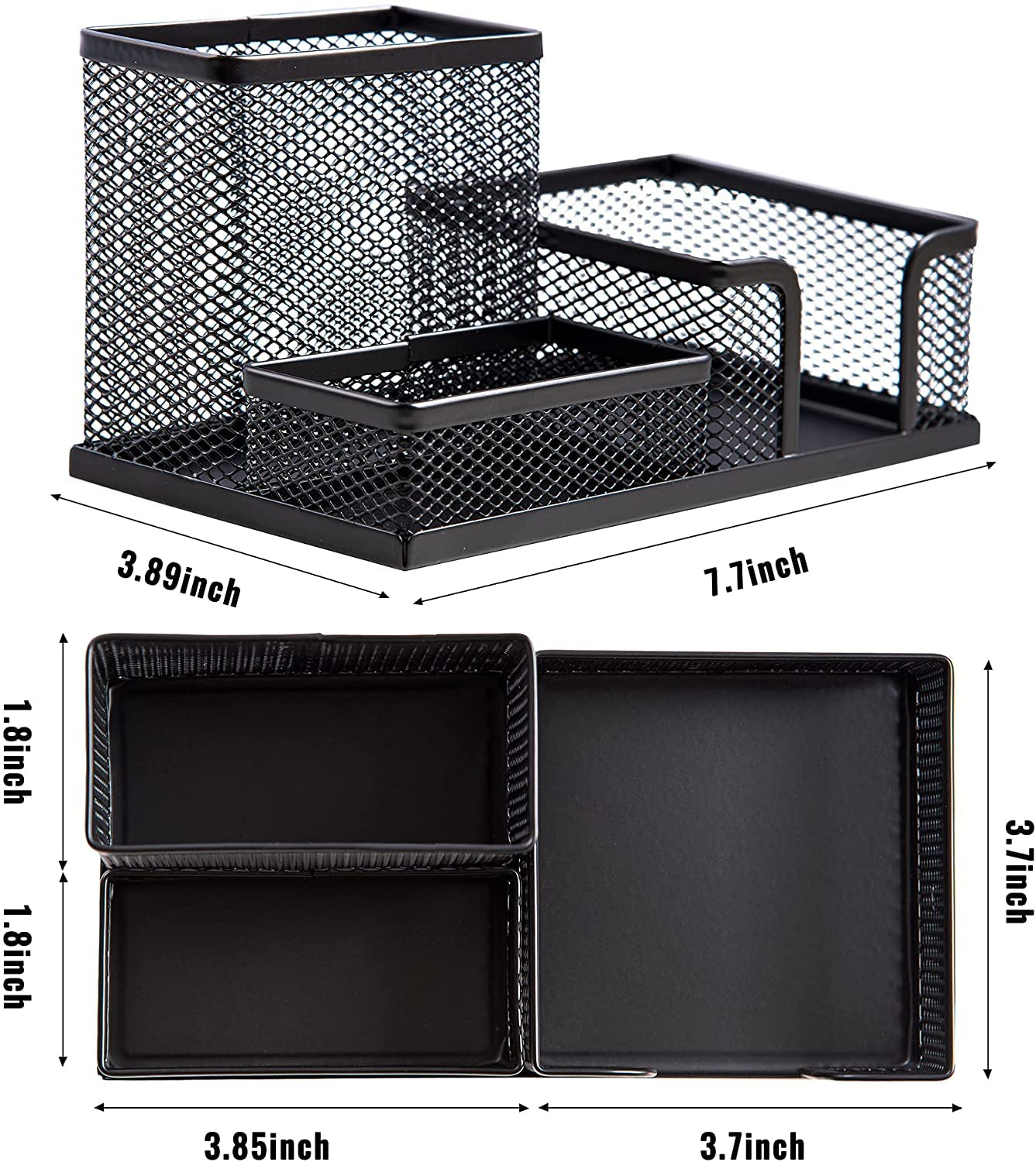
Pen holder
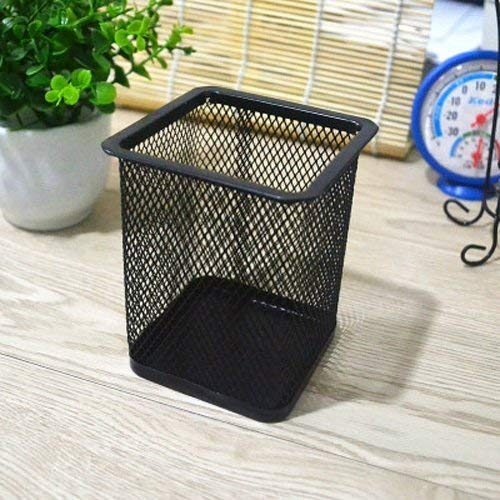

1 > 25

36RS

26 > 65

34RS

66 > 288

31RS


1 > 25

36RS

26 > 65

34RS

66 > 288

31RS


Stationery
SKU
HSN CODE 8302
Stock


1 > 25

36RS

26 > 65

34RS

66 > 288

31RS


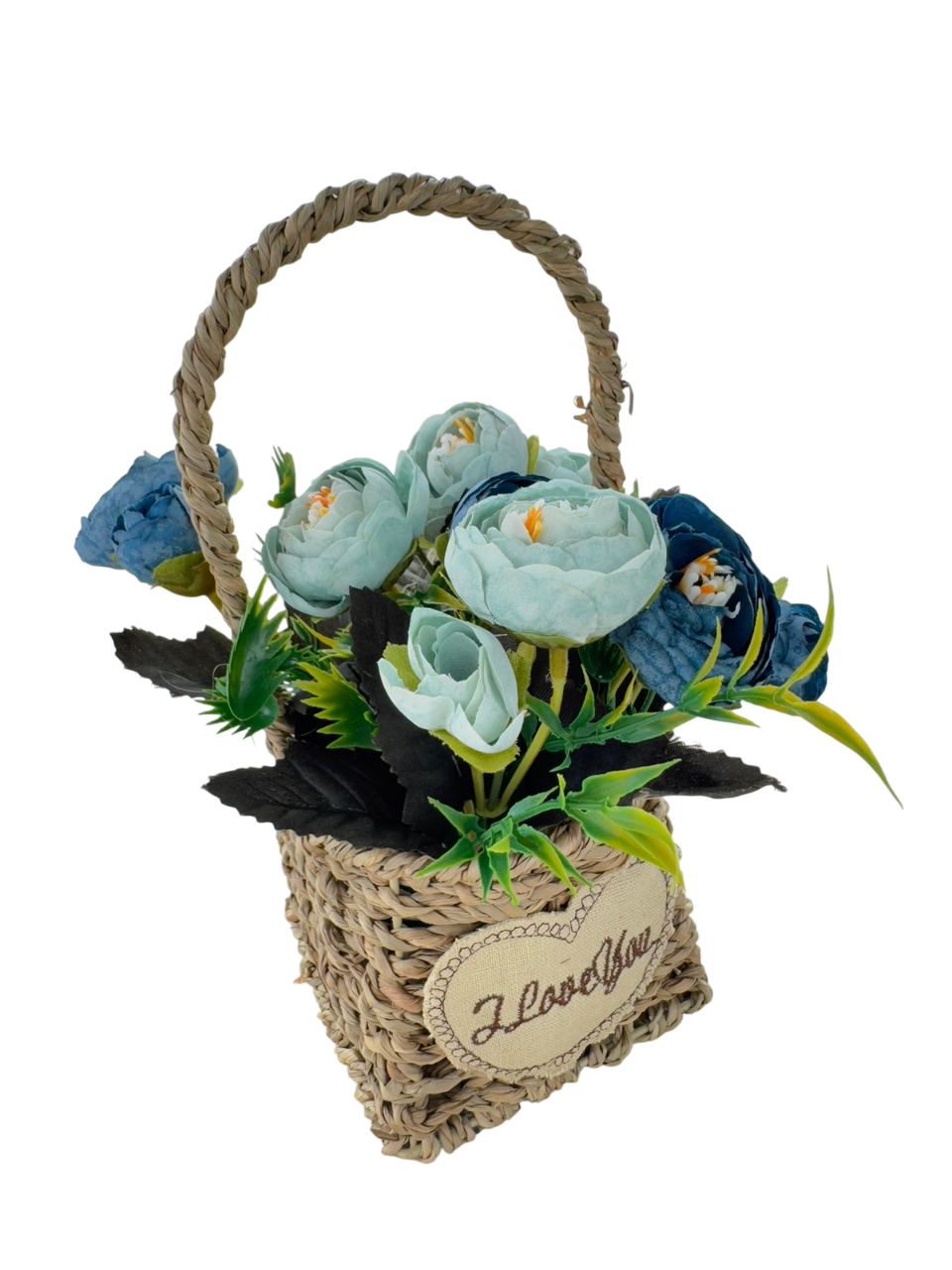
Flower

Providing good descriptions depends entirely on what you want to describe.
Stationery Kitchen & home Toys Festival Bathroom accessories
SKU
HSN CODE 3926
Stock
Weight 100
Capacity
Size
Color
Anatomy of a flower
A complete flower typically consists of four main parts, or whorls, arranged in concentric circles on the receptacle—the thickened part of the flower stalk.
Vegetative whorls
These non-reproductive parts help protect the essential reproductive organs.
  • Calyx: The outermost whorl, composed of individual sepals, which are often green and leaf-like. During the bud stage, the calyx encloses and protects the developing flower.
  • Corolla: The second whorl, made up of petals, which are typically brightly colored, soft, and thin. Their vibrant hues and sweet fragrance are crucial for attracting pollinators such as insects and birds.
Reproductive whorls
These are the essential organs for sexual reproduction.
  • Androecium (Male Parts): This whorl is composed of stamens, each consisting of two parts.
    • Anther: The sac-like structure at the top of the stamen that produces and stores pollen.
    • Filament: A slender stalk that supports the anther.
  • Gynoecium (Female Parts): This innermost whorl, also known as the pistil, typically consists of three main parts.
    • Stigma: A sticky, receptive tip at the top of the pistil that captures pollen grains.
    • Style: A long, tube-like stalk connecting the stigma to the ovary.
    • Ovary: The swollen, basal part of the pistil that contains the ovules (the egg cells). After fertilization, the ovary develops into the fruit.
Biological function of flowers
The flower's structure and development are a masterpiece of coevolution and adaptation, orchestrated for maximum reproductive success.
  • Pollination: This is the transfer of pollen from the male anther to the female stigma.
    • Biotic pollination: Many flowers use living agents like insects, birds, and bats. They offer rewards such as nectar and pollen to attract these pollinators, with which they have often coevolved to create specialized, efficient relationships.
    • Abiotic pollination: Other flowers, often smaller and less showy (like grasses), rely on non-living agents such as wind or water to disperse their pollen.
  • Fertilization and seed development: Once pollen lands on the stigma, it creates a pollen tube that travels down the style to the ovule.
    • In a process unique to flowering plants called "double fertilization," one sperm cell fertilizes the egg to form a zygote (the future embryo), while the other fuses with two other cells to form the nutrient-rich endosperm.
    • The fertilized ovules develop into seeds, and the ovary matures into a fruit, which helps in seed protection and dispersal.

Aaaabbbbb

Stationery
SKU
Stock

Card box


1 > 30

63RS

31 > 100

61RS

101 >  160

59RS


1 > 30

63RS

31 > 100

61RS

101 >  160

59RS


Stationery
SKU
HSN CODE 3926
Stock


1 > 30

63RS

31 > 100

61RS

101 >  160

59RS


Card box


1 > 30

38RS

31 > 130

36RS

131 > 400

34RS


1 > 30

38RS

31 > 130

36RS

131 > 400

34RS


Stationery
SKU
HSN CODE 3926
Stock


1 > 30

38RS

31 > 130

36RS

131 > 400

34RS


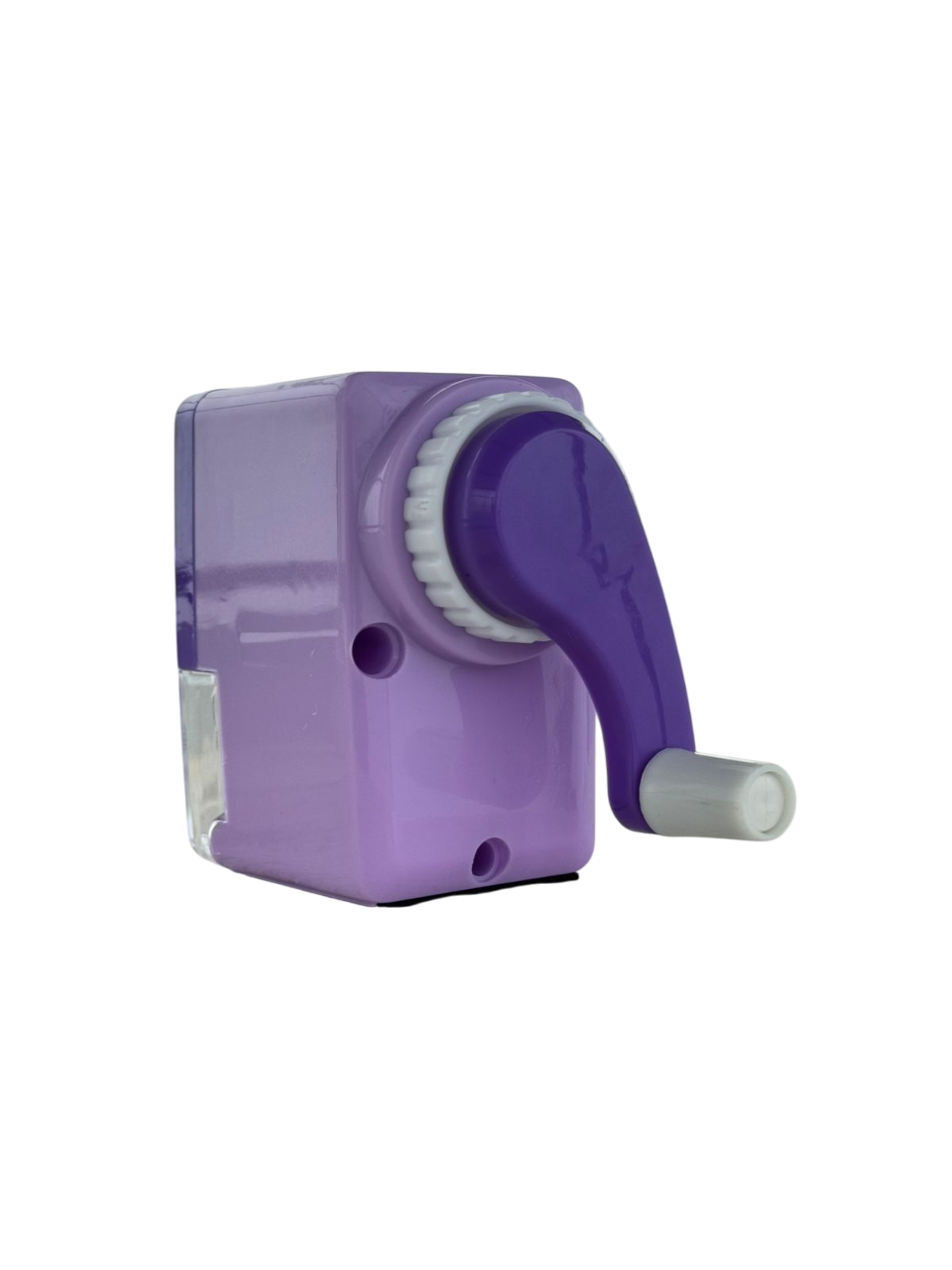
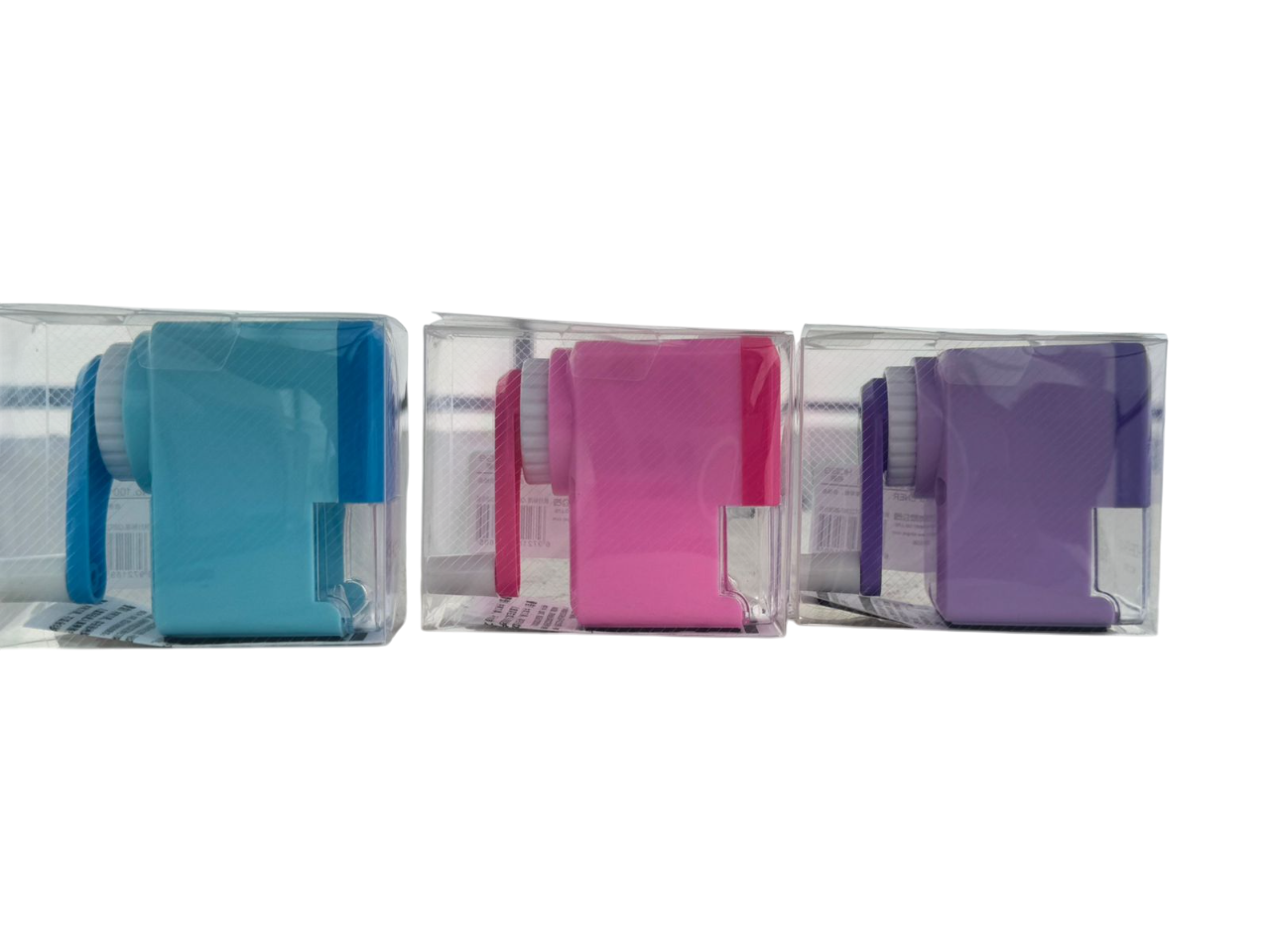
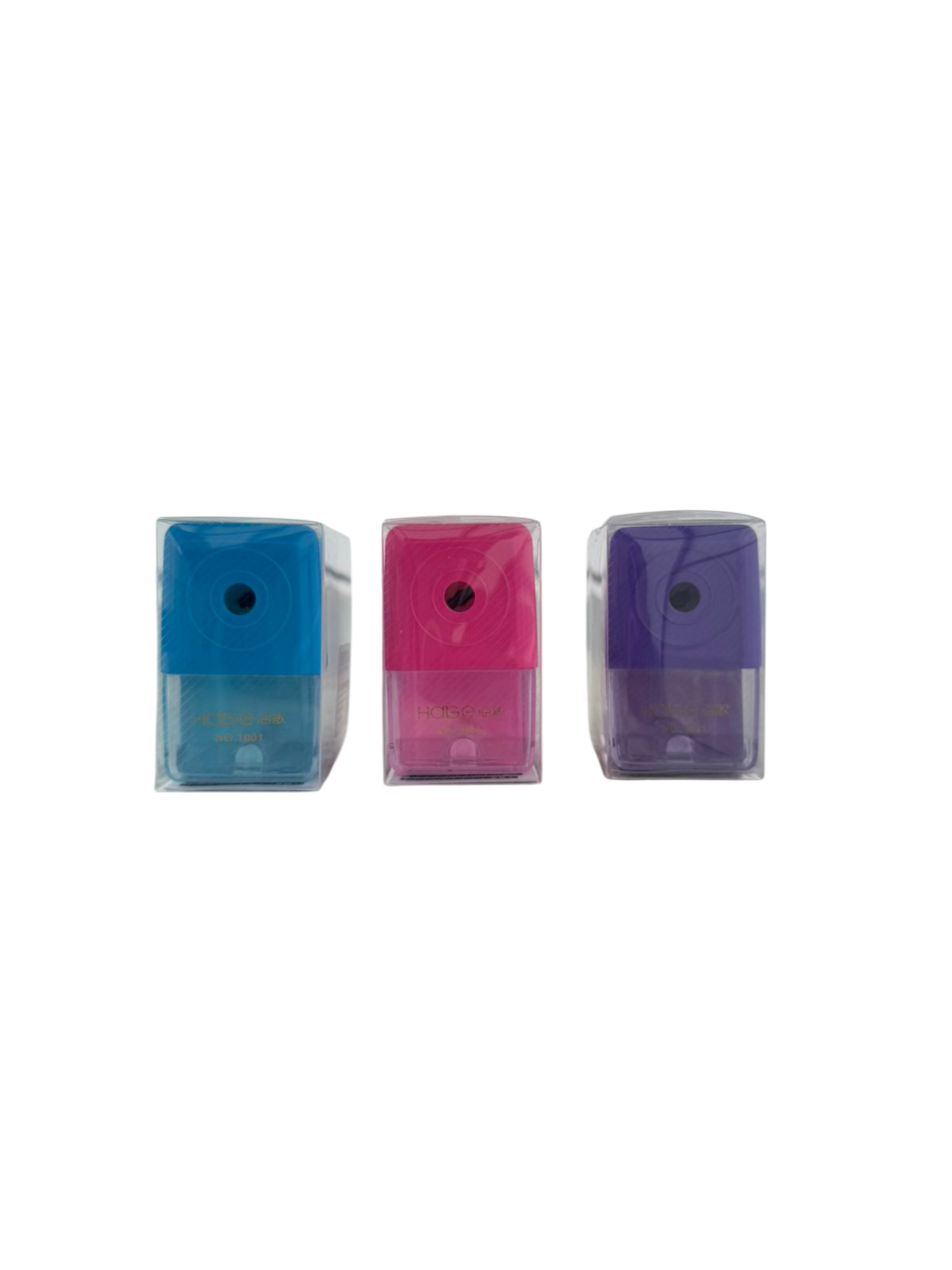
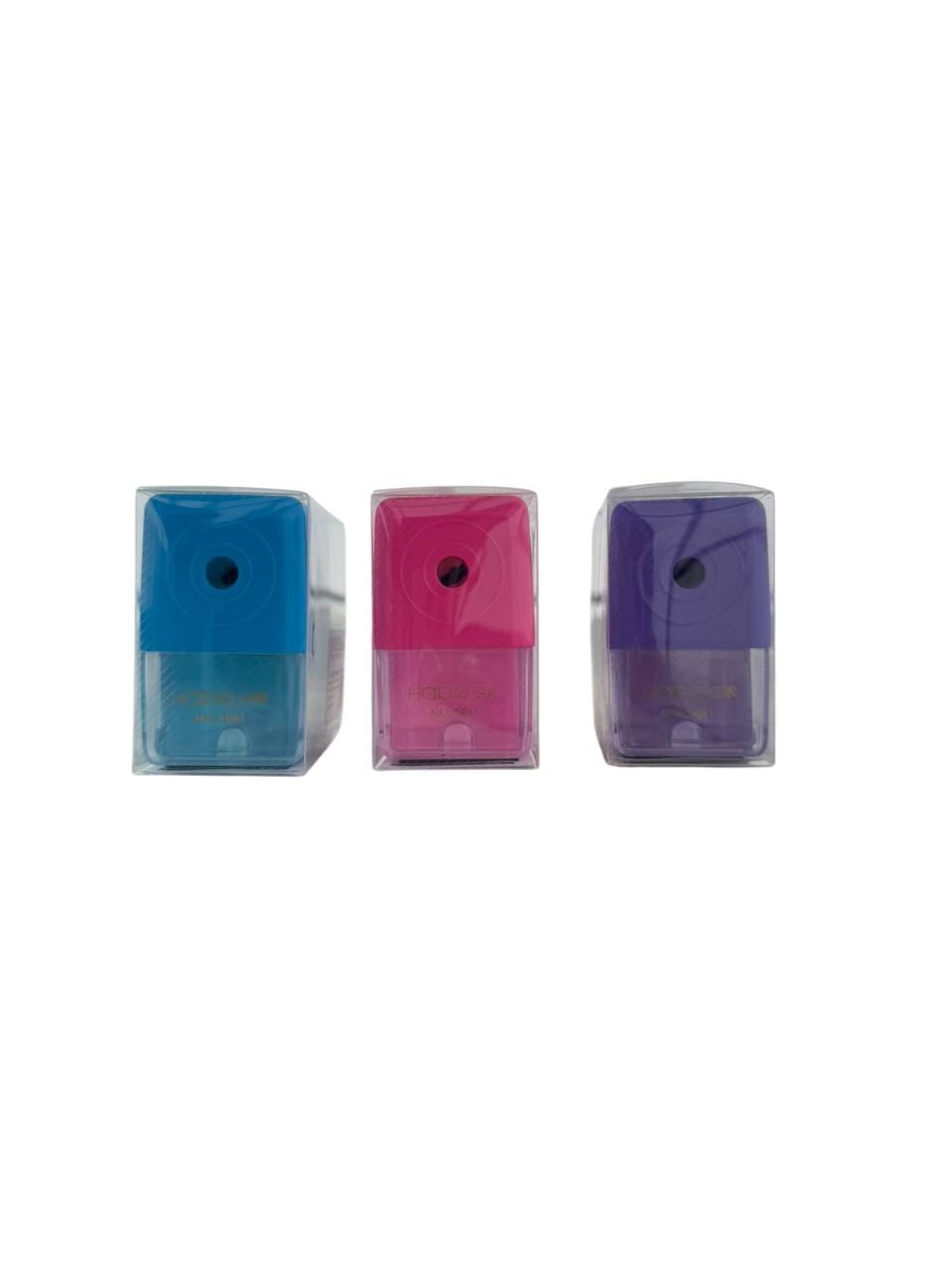
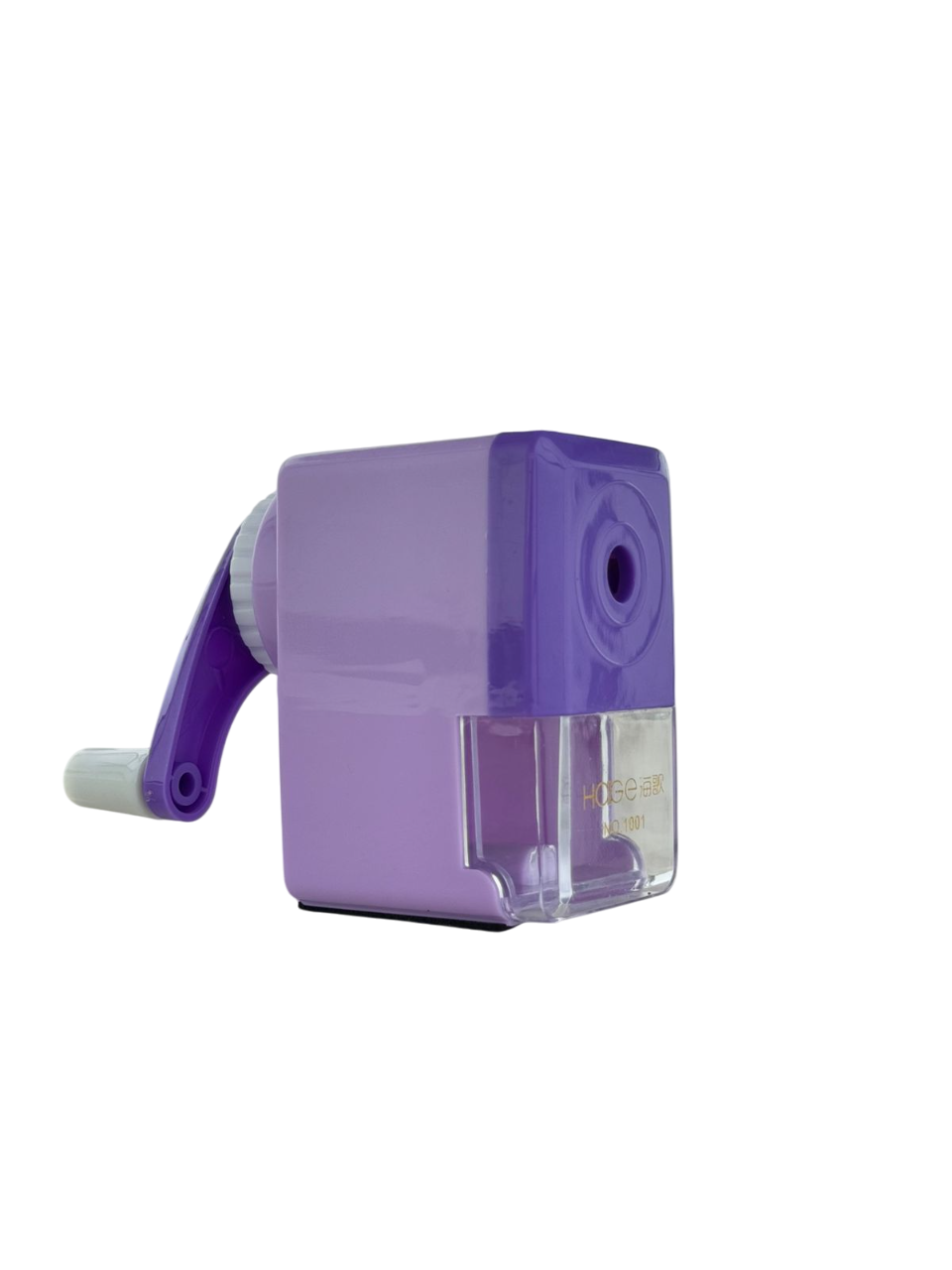
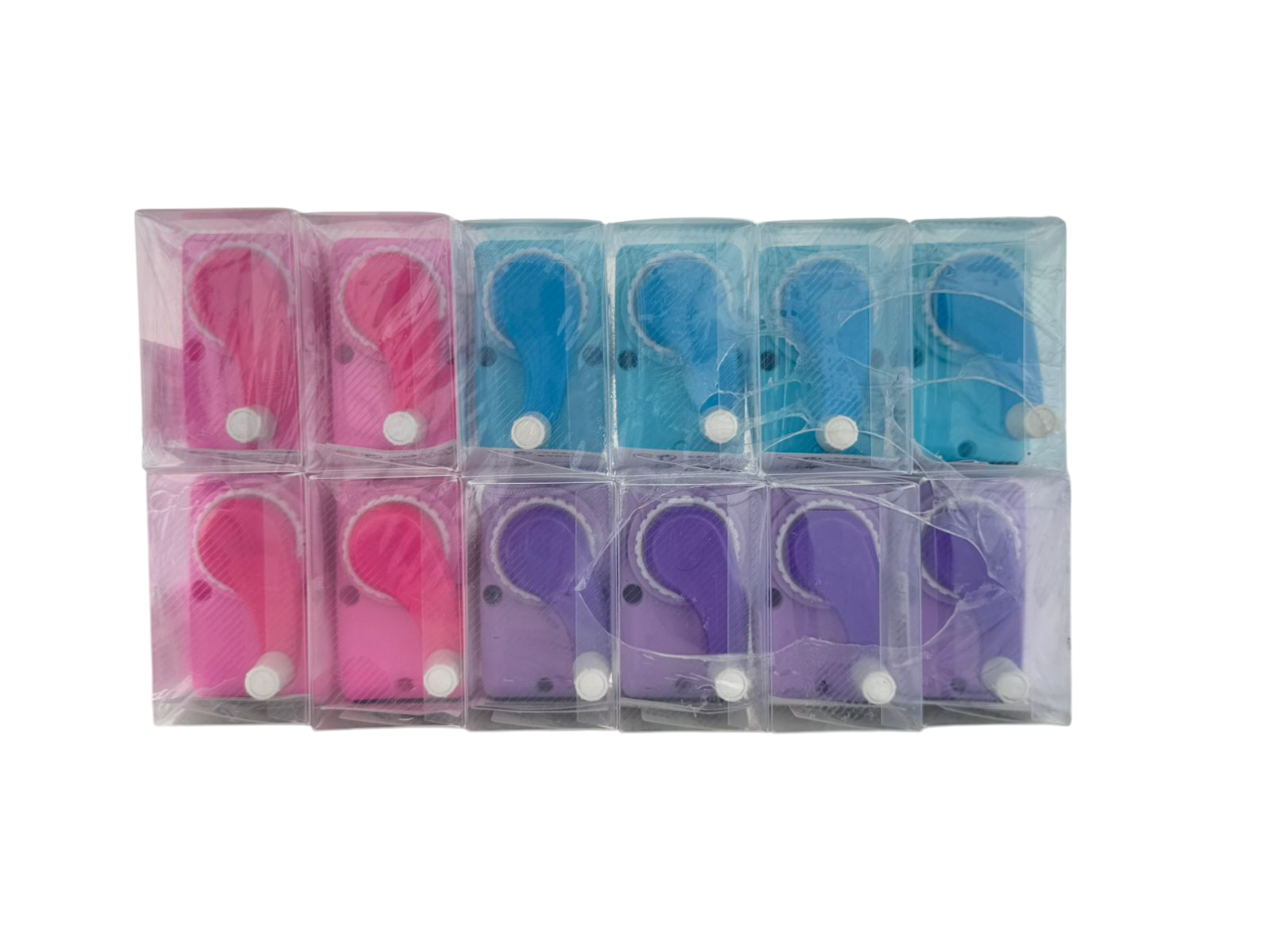
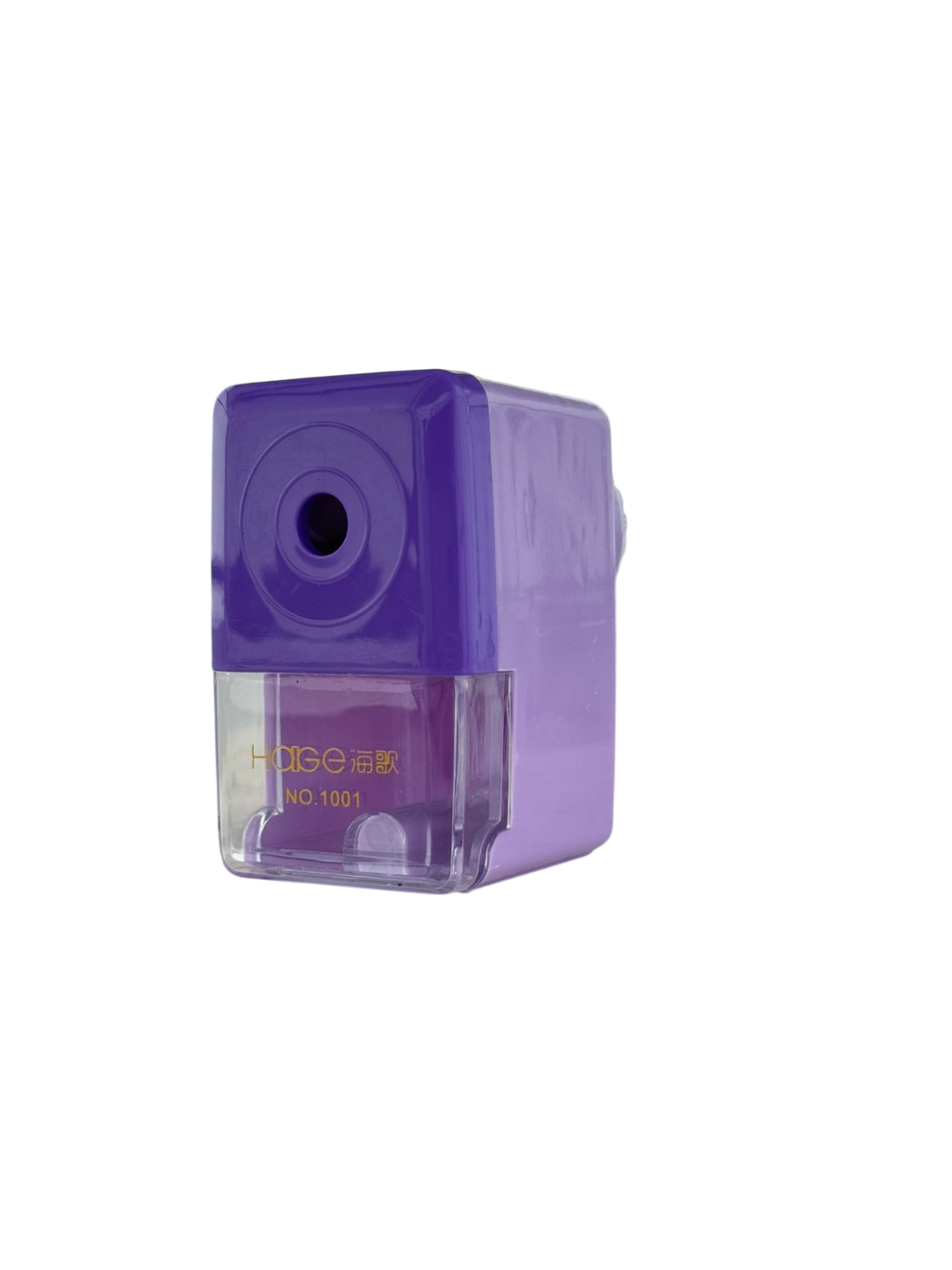
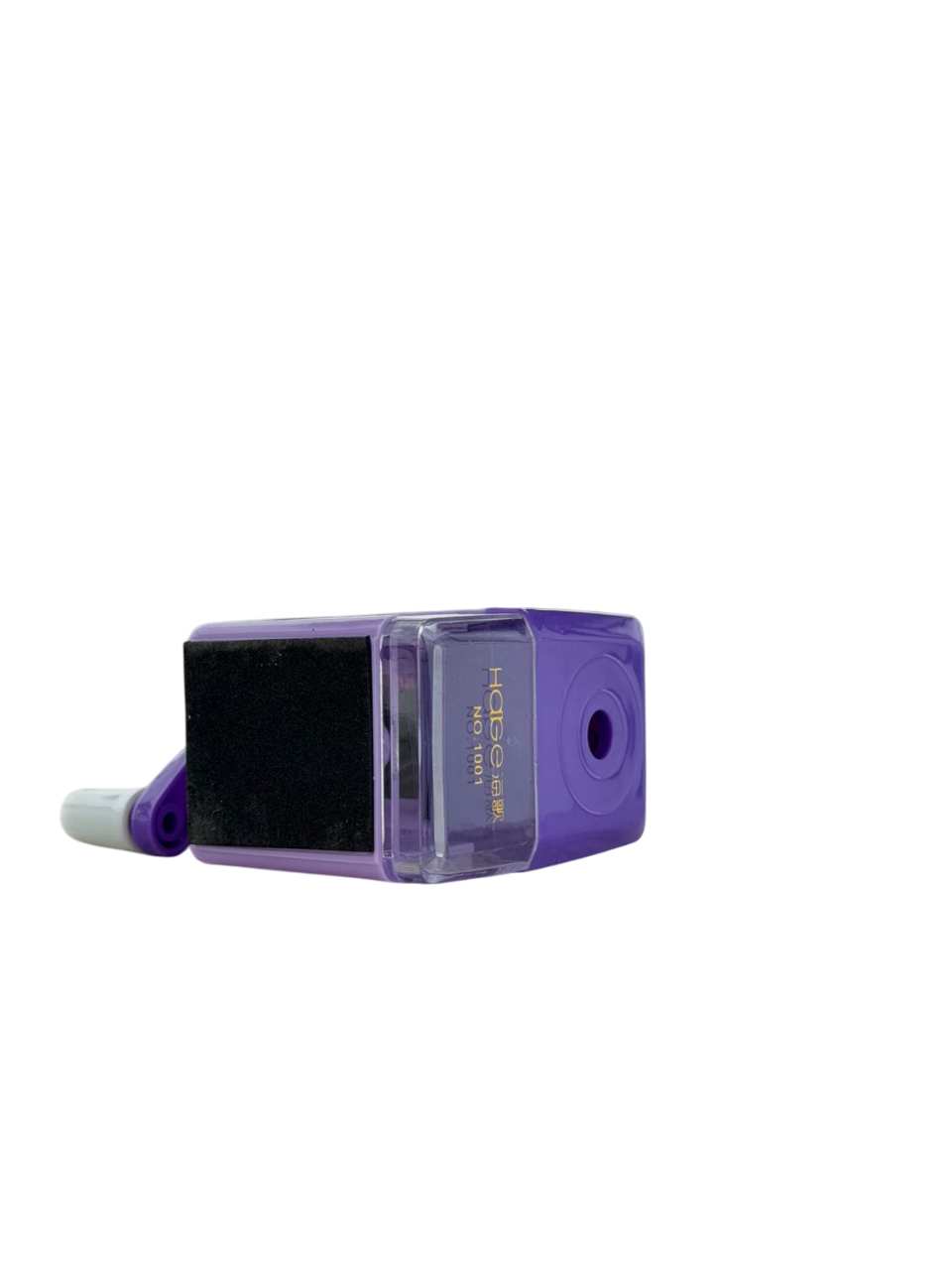
Pencil sharpener


1 > 30

80RS

31 > 100

77RS

101 > 180

74RS


1 > 30

80RS

31 > 100

77RS

101 > 180

74RS


Stationery
SKU
HSN CODE 8214
Stock
Color


1 > 30

80RS

31 > 100

77RS

101 > 180

74RS


Pen holder


1 > 30

88RS

31 > 100

86RS

101 > 144

84RS


1 > 30

88RS

31 > 100

86RS

101 > 144

84RS


Stationery
SKU
HSN CODE 8302
Stock


1 > 30

88RS

31 > 100

86RS

101 > 144

84RS